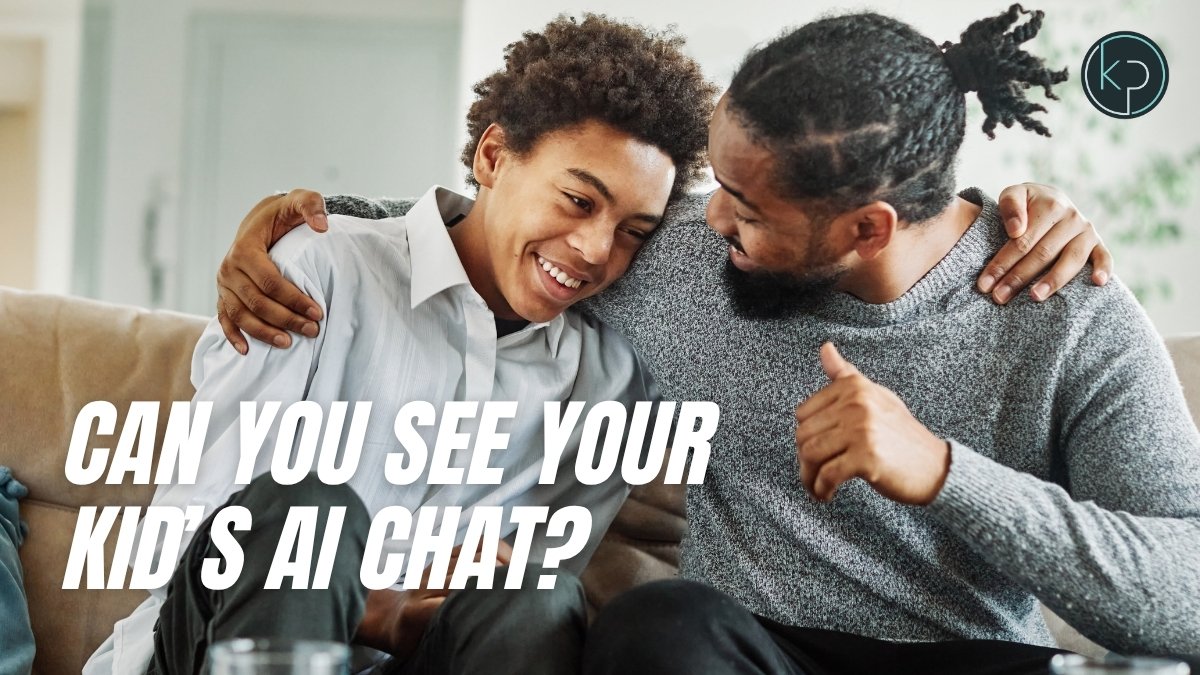
No — not yet. ChatGPT, Character.AI, and Meta AI don't hand parents a transcript of what their kid is telling them, and none of them require a parent's sign-off before a kid starts talking to one. That's about to become a real fight in Washington. On August 5, the Senate Commerce Committee takes up the CHATBOT Act, a bipartisan bill that would force AI companies to build parents an actual window into their kid's chatbot account — starting with kids under 13.
Why the CHATBOT Act Is Moving Through the Senate on August 5
This bill didn't show up out of nowhere. In January, Character.AI and its backer Google settled five lawsuits tied to teen suicides and self-harm, including the case Florida mother Megan Garcia brought after her 14-year-old son died by suicide following months of conversations with a Character.AI bot. In June, Florida's attorney general sued OpenAI directly over ChatGPT's effect on minors' mental health — the first time a state AG has gone after the company that way. The House already passed its own kids' online safety package, the KIDS Act, earlier this year.
Put those together and you get a Senate committee finally willing to move. The CHATBOT Act is one of five bills on the table August 5, alongside the Kids Online Safety Act and the Youth AI Privacy Act. It has support from Senators Ted Cruz, Brian Schatz, John Curtis, and Adam Schiff — two Republicans, two Democrats, which is rare enough on its own to signal this one has legs. OpenAI, for what it's worth, floated its own competing proposal before coming around to a compromise version — a company doesn't do that over a bill it thinks is going nowhere.
What the CHATBOT Act Would Actually Require
Strip out the committee language and the bill does four real things:
- Mandatory family accounts for any child under 13 using an AI chatbot, tied to a parent's account.
- Parents get to read the full conversation history, not a summary.
- Chatbots can't use manipulative design features aimed at keeping a kid engaged longer than they meant to be.
- No targeted advertising to kids inside a chatbot conversation.
For teenagers, family accounts would be optional instead of required — a compromise aimed at not pushing 16-year-olds into workarounds the way strict social media age gates already have.
Worth being clear about where things stand today, before any of this passes: ChatGPT has a teen account option with some content filtering, Meta AI inherits whatever parental supervision tools already exist on Instagram and Facebook, and Character.AI added a teen-specific model after the lawsuits. None of that adds up to a parent being able to open an app and read what their kid actually said last night. That gap is exactly what the bill is trying to close.
None of this is law yet. A committee vote isn't a floor vote, and a floor vote isn't a presidential signature. But this is the furthest a kids-and-AI bill has gotten, and it's the one to watch if you want a sense of what your kid's chatbot apps might look like a year from now.
Why I Wouldn't Wait Until August 5 to Have This Conversation
Here's my actual opinion: even if this bill passes exactly as written, it does you no good this week. Your kid is talking to something right now — ChatGPT, Character.AI, Meta AI inside Instagram, Snapchat's My AI — and none of those apps are waiting for Congress to decide whether you get to see it.
What strikes me about the CHATBOT Act isn't really the monitoring piece. It's that Congress is basically legislating a conversation parents should already be having on their own: what is my kid telling this thing, and would I be okay reading it out loud? A law that forces a company to hand you a transcript doesn't replace you actually asking. I'd rather have the awkward conversation now than wait on a feature that, best case, ships sometime in 2027 — and worst case, gets negotiated down to nothing between now and then, the way these bills usually do.
What to Do This Week If Your Kid Uses ChatGPT, Character.AI, or Meta AI
Pick one evening this week and ask directly: which AI chatbots do you use, and what do you actually talk to them about? Not as an interrogation — ask it the same way you'd ask about a friend group. If your kid is willing, sit down together and scroll through a real conversation, not a curated one.
You're not looking for something to punish. You're checking whether the thing on the other end is acting like a friend, a study partner, or something that's quietly egging your kid on toward a bad place — because right now, no law and no company is checking that for you.