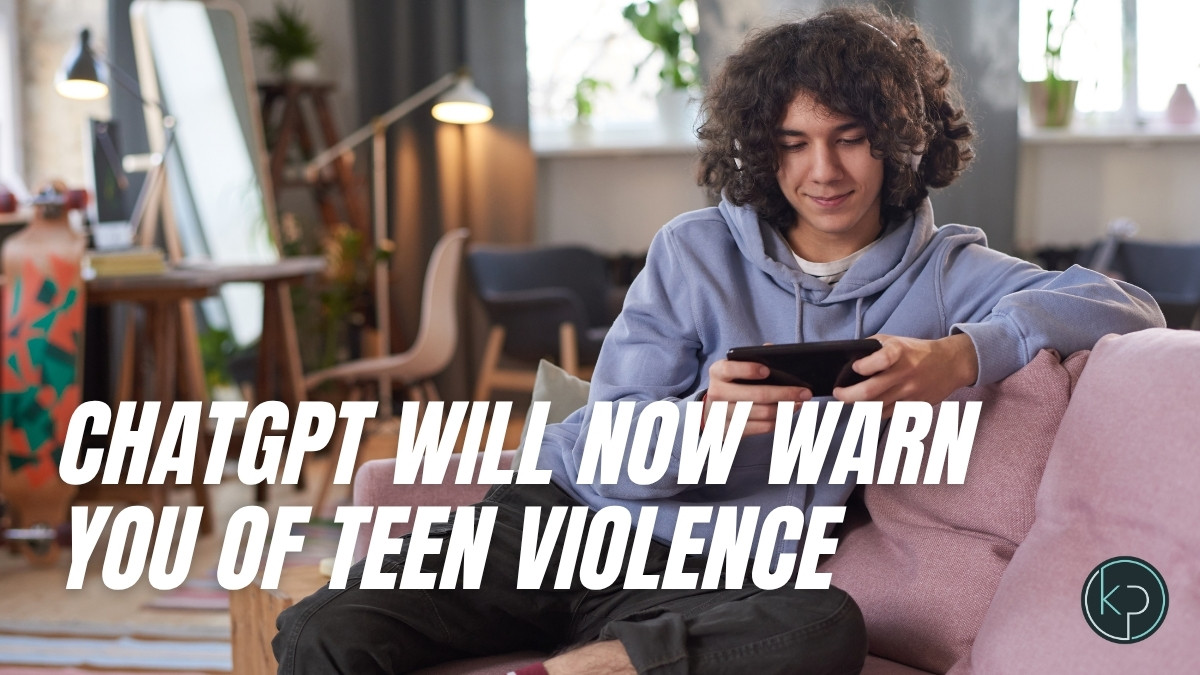
Yes. If you've linked your teen's ChatGPT account to your own, OpenAI will now text, email, or push-notify you if its systems flag possible signs of self-harm risk in your teen's conversations, or if their account gets suspended for violent content. As of mid July 2026, you can also set Study Mode as the default for their account and turn on more frequent break reminders. None of this happens automatically. You have to link the accounts first.
Why OpenAI Built This After a 2025 Lawsuit
This isn't a minor settings tweak. OpenAI built its original parental control system in September 2025 after a lawsuit from a family whose teenage son died by suicide following months of ChatGPT conversations. That's the backdrop here. This July, OpenAI widened the net twice in four days, on July 13 and July 16, adding the violence-suspension alert, the Study Mode default, and the break reminders on top of the self-harm notification that already existed.
If you're a parent, this is the first time a major AI company has said, plainly, we will tell you if something looks seriously wrong. That's worth knowing whether or not you ever turn it on.
What's New in ChatGPT's Parental Controls Since July 2026
Here's what's new since the original 2025 rollout:
- Violence suspension alerts (July 13): if your teen's linked account gets banned for violating OpenAI's policy on violent threats or acts, you get told. Before this, you'd only hear about self-harm concerns, not violence-related bans.
- Study Mode as default (July 16): you can now flip this on from the Parental Controls dashboard so every new chat starts in a mode that walks your teen through a problem instead of just handing over the answer.
- More frequent break reminders (July 16): nudges to step away, aimed at teens who stay in long sessions.
The self-harm alert itself hasn't changed much, but it's worth being clear about how it actually works, because I've seen it described wrong. OpenAI's systems flag conversations that suggest a teen may be in acute distress, a small team of trained reviewers looks at the flag, and if they agree there's real concern, you get notified. You are not handed a transcript. You get told something serious may be happening and pointed toward resources. OpenAI has also said these alerts are meant to be narrow, not triggered by fiction, gaming, venting, or political debate.
One more thing that trips people up: none of this works unless the teen linked their account to yours in the first place, and the teen has to be the one who starts that link, using your email. An unlinked account gets zero notifications, no matter what's typed into it.
Why This Isn't the Safety Net It Sounds Like
I think this is a real improvement, and I also think it gives parents a false sense of coverage if they don't understand its limits. A notification system is only as good as the account it's watching. If your kid has a second, unlinked account, or just uses ChatGPT logged out, or uses Claude or Gemini or literally any other tool, this entire system sees nothing. It's a smoke detector in one room of a house with a dozen rooms.
I also want to push back gently on the idea that an alert after a suspension is the same as prevention. Getting told your teen's account was banned for violent content is useful. It is also, by definition, after the fact. The self-harm alert is the one that matters most, because it's the one built to catch something while it's still happening. If you only enable one thing today, link the account so that one's live.
And Study Mode as a default is a genuinely good, boring, practical feature buried in a safety announcement. It won't make headlines, but if your teen is using ChatGPT for homework anyway, it's the difference between them learning something and them copying an answer.
How to Link Your Teen's ChatGPT Account Tonight
Sit down with your teen tonight and have them link their ChatGPT account to yours from their own settings. It takes about two minutes, it has to come from their side, and it's the one action that turns every other feature described here from theoretical to real.