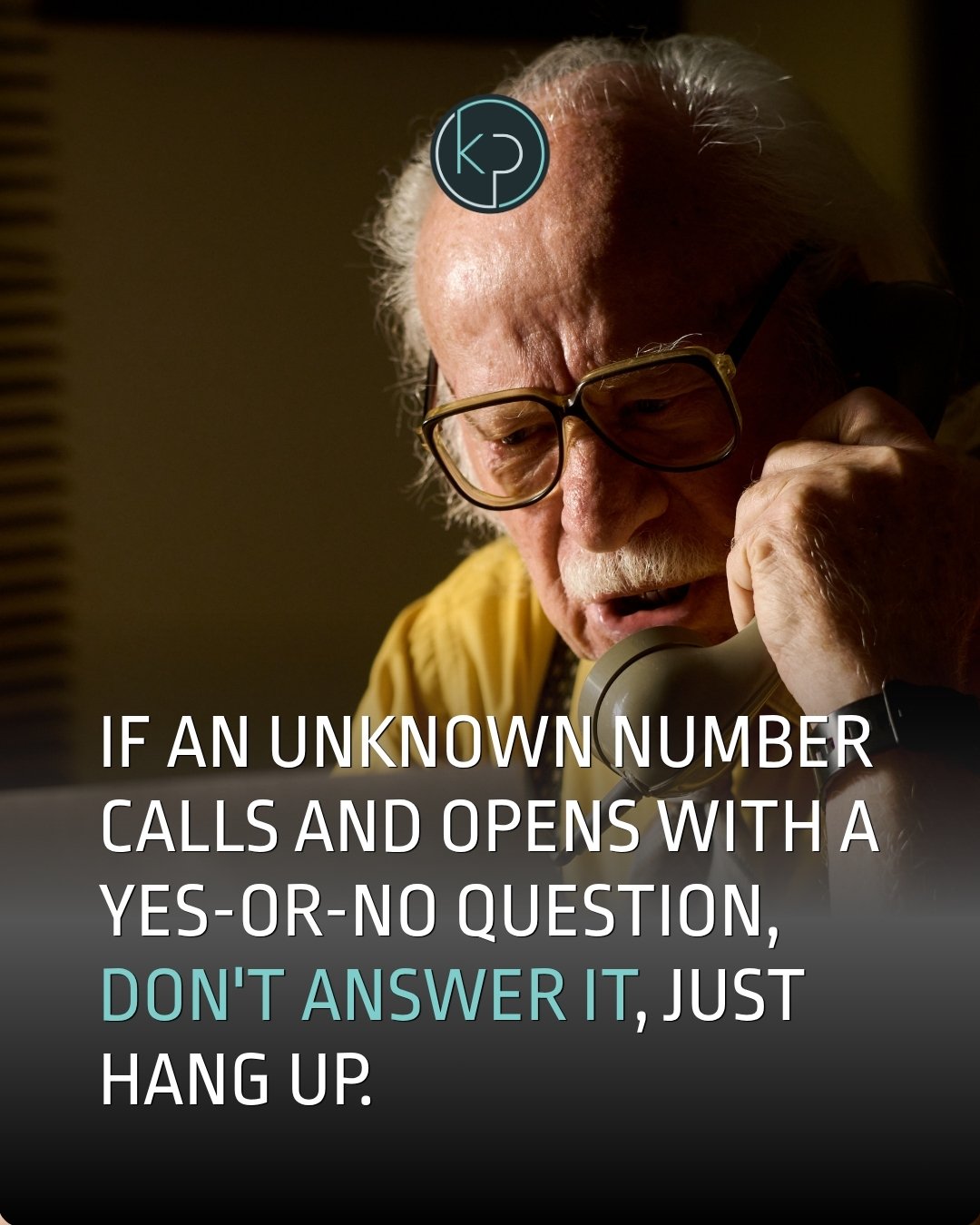

There is no Medicare Refund Department, and nobody is calling you about the new $2,100 Part D out-of-pocket cap to send you money. That's the scam making the rounds right now: callers cite the real 2026 cap on prescription costs, tell you a refund is waiting, and ask for your bank routing number to "process" it. The cap is real. The phone call is not.
Why the Real $2,100 Part D Cap Made This Scam Possible
The $2,100 annual out-of-pocket cap on Medicare Part D prescription costs is a real policy change, phased in starting 2025 under the Inflation Reduction Act and continuing in 2026. It's legitimate, and it applies automatically — nobody has to call in, sign up, or verify anything for it to take effect at the pharmacy counter.
But most people don't track policy details that closely, and a caller referencing something you vaguely remember hearing about on the news sounds a lot more credible than a generic prize-winner call. Scammers watch for real policy changes specifically because the confusion around them is the whole product.
How the Medicare $2,100 Refund Call Actually Works
The call opens by describing the $2,100 cap accurately enough to sound legitimate, then claims you're owed a refund or rebate tied to it. They ask you to "verify" your identity, which really means handing over your Medicare number, then ask for your bank routing and account number so they can "direct deposit" the refund.
Some versions ask for a small processing fee instead. Medicare has confirmed the cap applies automatically — nobody needs to call in, verify anything, or hand over banking information to get it.
Why I Think Real Policy Changes Are a Gift to Scammers
Every time Medicare or Social Security actually changes something, scammers get a free script. It's the ideal setup for a con: a real detail people have half-heard about, wrapped around a fake action item.
I'd rather people distrust every unsolicited Medicare call by default than try to keep track of which specific claim is this month's version. The pattern is always the same no matter what real change they're citing: unsolicited call, accurate-sounding detail, request for banking information or a fee. That pattern is the tell, not the number they mention.
What to Do the Next Time Medicare "Calls" About a Refund
Hang up and call 1-800-MEDICARE directly to check, before giving out a Medicare number, a bank routing number, or anything else — no matter how accurate the caller sounds about the $2,100 cap.
If you're helping a parent with this, this week is a good time to tell them the one rule: Medicare never calls asking for banking information, period.