
Power outages aren’t just an inconvenience anymore; they are a direct hit to your productivity, your food budget, and your family’s comfort. When the grid goes quiet, you need a plan that actually works instead of a garage full of expensive machinery you don’t know how to start.
Why Keeping the Lights on Is a High-Stakes Game
Most of us realize how much we rely on electricity only when the Wi-Fi cuts out and the fridge stops humming. Between extreme weather and an aging power grid, “waiting it out” is becoming a risky strategy for anyone running a household or a home office. This isn’t just about avoiding a dark house; it’s about protecting your appliances, keeping your pipes from freezing, and ensuring you don’t lose a week’s worth of groceries in a single afternoon.
The Trade-Off: Is a Generator Worth the Investment?
Every piece of home tech has a “give and take,” and generators are no different. You have to balance the peace of mind against the reality of maintenance and upfront costs.
- The Pros: You gain immediate independence. You can run your HVAC, keep your phone charged for emergency updates, and – most importantly – keep the sump pump running so your basement doesn’t turn into an indoor pool.
- The Cons: They can be loud enough to annoy the neighbors, they require regular “exercise” (running them periodically to keep the engine healthy), and the good ones aren’t exactly cheap.
- The Reality Check: A generator is like an insurance policy you can actually use. You hope you never need it, but the moment the sky turns purple, you’ll be glad it’s sitting there.
Features That Matter (and What’s Just Noise)
Don’t get distracted by flashy stickers or massive “starting watt” numbers that don’t tell the whole story. You need a machine that handles the specific needs of a modern home.
- Inverter Technology: If you plan on plugging in a laptop or a high-end TV, you want an inverter generator. It provides “clean” power. Standard portable generators can have power fluctuations that might fry sensitive electronics. Think of it as the difference between a steady stream of water and a pulsing fire hose.
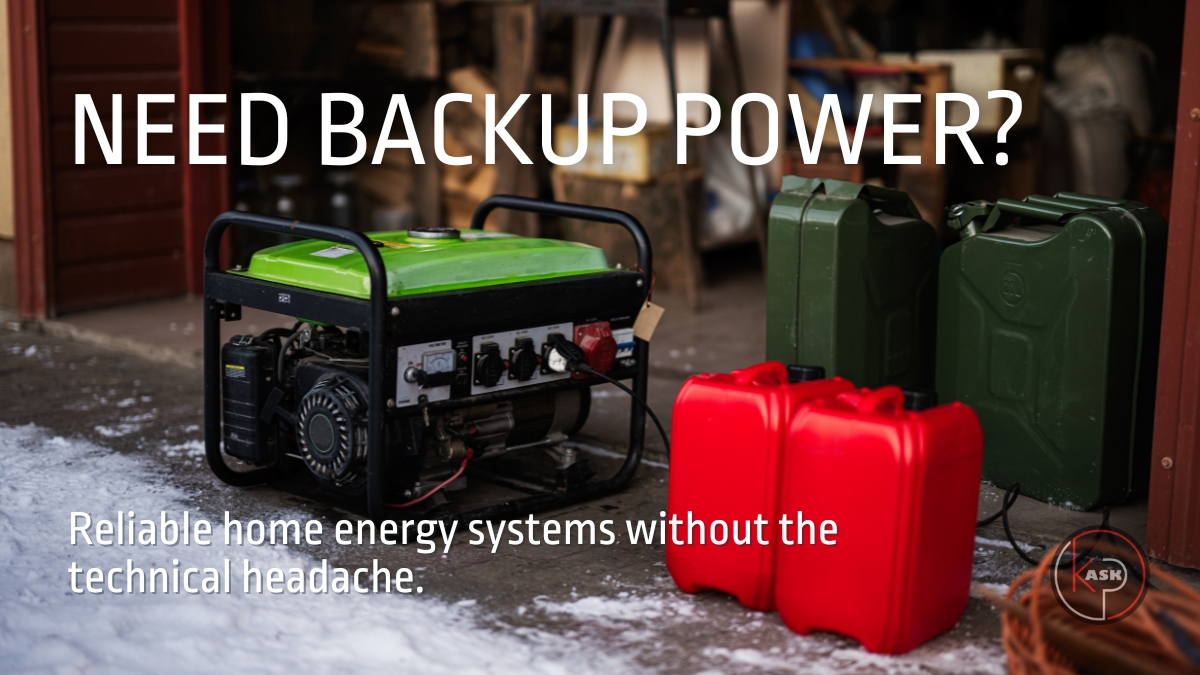
- Dual-Fuel Capability: This is a game-changer. Models that run on both gasoline and propane give you options. In a major storm, gas stations often run out of fuel or lose power themselves. Having a few propane tanks tucked away in the shed is a brilliant safety net.
- Electric Start: Pull-chords are fine until it’s 20 degrees outside and the engine is stubborn. An electric (battery) start button makes the process much less of a workout.
- CO Shutoff: This is a non-negotiable safety feature. It automatically kills the engine if carbon monoxide levels get too high near the unit.
Avoiding the “Store-Shelf” Traps and Hidden Tricks
The biggest mistake people make is buying the first box they see at a big-box retailer during a panic. Here is how to avoid getting played:
- The “Whole House” Illusion: A portable 5,000-watt generator will not run your central AC, your electric oven, and your dryer all at once. Be realistic about your “must-haves” vs. “nice-to-haves.”
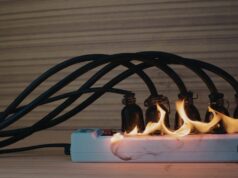
- The Extension Cord Nightmare: You cannot safely run a generator inside your garage, even with the door open. You’ll need heavy-duty, outdoor-rated cords. Even better, look into a Transfer Switch. It’s a sub-panel installed by an electrician that lets you power entire circuits in your house safely without running a spiderweb of cords through a cracked window.
- The Maintenance Myth: These are engines, not iPads. If you let gas sit in it for six months without a stabilizer, it won’t start when you actually need it.
The Move I’d Make If I Were You
If you’re looking for the sweet spot between “budget-friendly” and “total reliability,” I would skip the massive, permanent standby units unless you have a huge budget. Instead, go get a 7,000 to 9,000-watt Dual-Fuel Inverter Generator and have a local electrician install a Transfer Switch at your breaker box. This setup gives you enough juice to run the essentials – fridge, lights, fans, and electronics – without the $10,000 price tag of a permanent install. Plus, using propane means you won’t have to deal with clogged carburetors from old gasoline.
Your First Step Toward a Storm-Proof Home
Call a licensed electrician this week and ask for a quote on installing a manual transfer switch; knowing your connection point is ready will make choosing the generator itself much easier.