
Real Madrid's members recently approved a record 2026/27 budget, forecasting €1.405 billion in total revenue, about US$1.57 billion. The budget projects a net profit of just €14.2 million, about US$16 million, according to Grada3, down from €26.3 million last season. The delegates' assembly passed it 1,705 votes to 5, with 12 abstentions, according to the Spanish news agency EFE.
Real Madrid's 2026/27 Budget by the Numbers
Dollar amounts are converted at about $1.12 to the euro. This is a budget, not audited accounts.
- Total revenue: €1.405 billion (about $1.57 billion), a club record.
- Ordinary revenue: €1.250 billion (about $1.40 billion), up 4.7%.
- Player sales: €154.8 million (about $173 million), also a club record.
- Salaries and amortisation: €707.1 million (about $792 million), a record. That's about 57% of ordinary revenue.
- Net profit: €14.2 million (about $16 million).
- Net debt: €1.367 billion (about $1.53 billion), down 3%, almost all of it tied to the Bernabéu renovation.
Amortisation is how clubs spread a transfer fee across the length of a player's contract. So that €707.1 million is the real annual cost of the squad, not just wages. It includes the basketball team and the women's team.
How the Renovated Bernabéu Doubled Real Madrid's Stadium Income
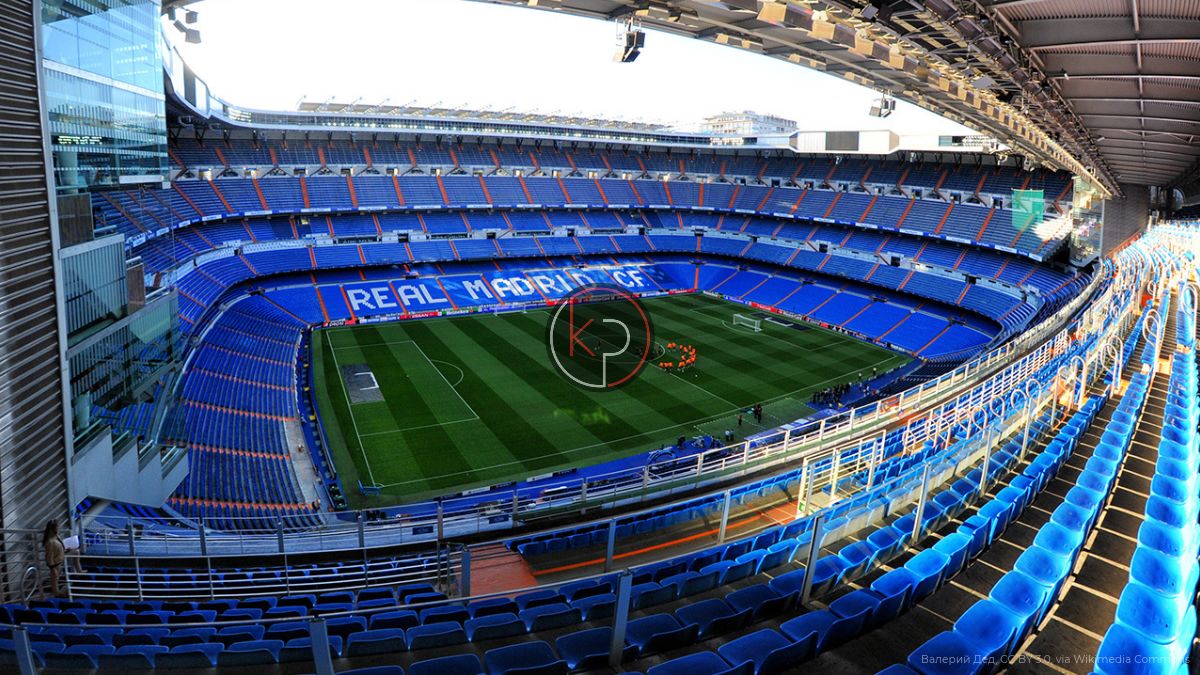
The stadium is the growth story. Real Madrid budgeted €420.1 million in stadium-related income for 2026/27. That covers membership fees, season tickets, ticketing, the museum, VIP areas and events. It was €363 million last season and €175 million in 2018/19, before the renovation.
Club president Florentino Pérez told the assembly that the stadium "already brings in more than double what it did before the renovation." The club has invested €1.408 billion in the project so far.
What isn't public is the cost of carrying that debt. The reports don't include an interest bill or a repayment schedule. I'd want to see both before calling the stadium a financial win.
Why Real Madrid's Profit Looks Smaller Than Last Season
The drop from €26.3 million to €14.2 million isn't as bad as it looks. Last season's profit got a boost of more than €23 million from releasing money the club had set aside for a land dispute over the Las Tablas site. Take that out and the underlying number was much smaller.
The bigger question is what this year's profit depends on. The €154.8 million in player sales comes largely from academy players sold directly or through clauses kept on earlier deals, including Nico Paz to Como and Víctor Muñoz to Liverpool, according to Sports Illustrated and the Italian outlet TUTTOmercatoWEB. The budgeted profit is less than a tenth of those sales. Without them, this budget wouldn't show a profit.
Revenue vs. Margin at the Santiago Bernabéu
This is the part that jumped out at me. The Bernabéu has more than doubled stadium income in seven seasons. But on these numbers, it hasn't made Real Madrid much more profitable, because spending on the squad has grown right alongside it.
To be fair, Real Madrid doesn't have to maximize profit. It's owned by its members, not a private equity fund or a billionaire, and its members care about trophies first. A club that breaks even while winning is doing its job.
But the biggest lever of the past decade is now built. The stadium is "almost finished," and its income can't double again.
What Real Madrid Can Do After the Bernabéu
So where does the next gain come from? There are really two options: earn more or spend less.
On the revenue side, the budget already counts on sponsorship growing 22% with the new Adidas and Emirates deals, and on more broadcast money. More concerts and events at the Bernabéu are the obvious next step, since the renovated stadium was built to host them.
On the cost side, there's less room than people think. Squad costs are the club's biggest line, and cutting them means weaker teams. Running the business side more efficiently, including using AI for things like ticketing, scouting support and back-office work, could save money at the edges. But it won't offset a €707 million squad bill.
My take is that Real Madrid's real lever is the one it's already pulling: selling academy players. If the club can keep raising this kind of money from players who never became regular starters, that's a business model. The risk is that it's also the least predictable line in the budget.