NFL teams are building domed and covered stadiums because a roof turns a building that hosts 10 football games a year into a venue that can earn money every week of the year. Concerts, Final Fours, Super Bowls, conventions and corporate events all need weather-proof space, and once a stadium costs $2 billion to $4 billion, the extra cost of a roof is easier to justify. Taxpayers are covering a big share of the bill.
Five new NFL stadiums in a row will be covered, starting with Nashville in 2027. That's not a coincidence. It's a business model.
The five new covered NFL stadiums opening from 2027 to 2031
Here's the lineup, because it's worth seeing all at once:
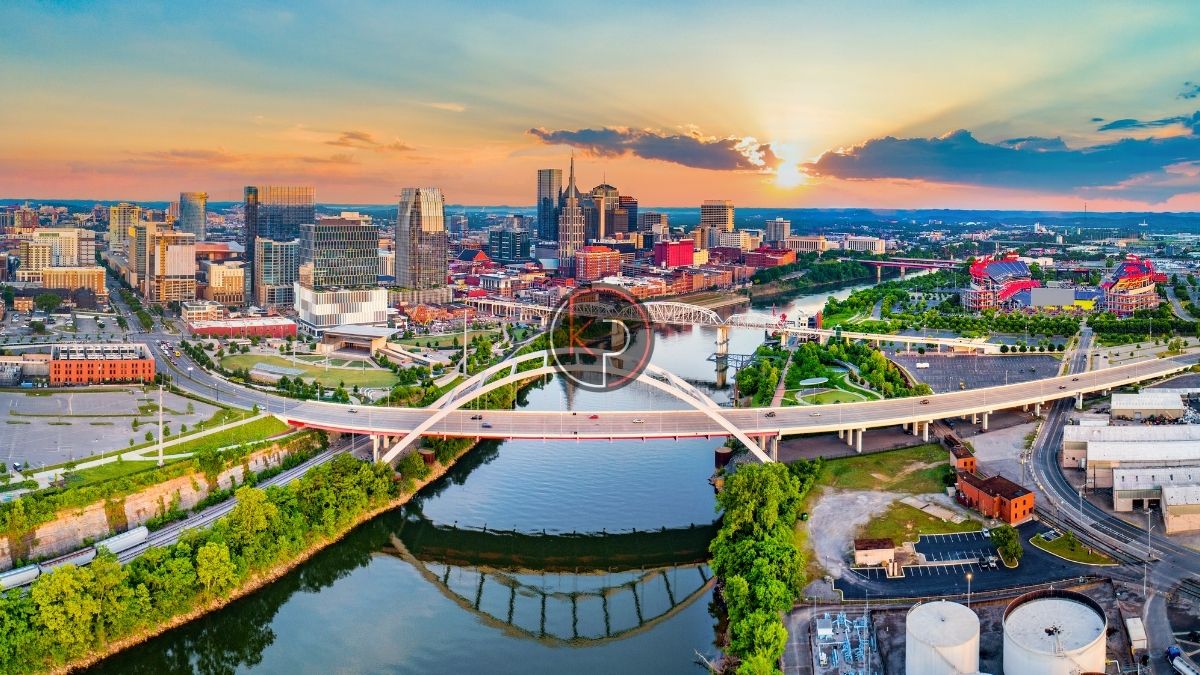
- Tennessee Titans — the new Nissan Stadium, $2.1 billion, opening in 2027 with a translucent roof.
- Cleveland Browns — a $2.6 billion domed stadium in suburban Brook Park, Ohio, opening in 2029.
- Washington Commanders — a roofed stadium at the old RFK site in D.C., part of a $3.8 billion project, targeted for 2030.
- Kansas City Chiefs — a $3 billion domed stadium in Wyandotte County, Kansas, opening for the 2031 season.
- Denver Broncos — a retractable-roof stadium at Burnham Yard, with The Denver Post estimating the project at $4 billion or more, targeted for 2031.
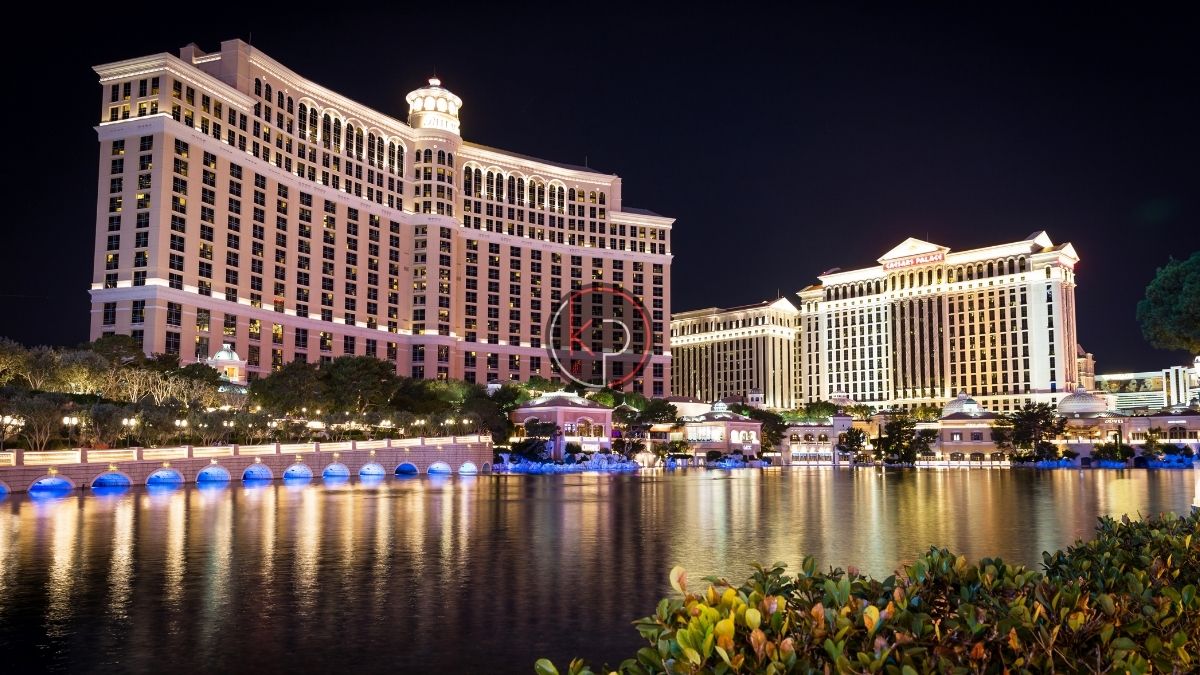
Jacksonville is also adding a canopy over EverBank Stadium as part of a $1.4 billion renovation. The Chicago Bears want a domed stadium too and are still choosing between Arlington Heights, Illinois, and Hammond, Indiana. Add those to the existing roofed venues in places like Atlanta, Las Vegas, Los Angeles and Minneapolis, and about half the league will play under some kind of cover in the 2030s.
Why a roof makes an NFL stadium a year-round business
An open-air NFL stadium in a cold-weather city sits mostly empty from December to May. A covered one doesn't have to. That's the whole pitch.
A roof makes a city eligible for events that open-air stadiums in cold climates mostly can't get: the Super Bowl, the Final Four, College Football Playoff games, WrestleMania and winter concert tours. When the Chiefs announced their move, owner Clark Hunt said the new stadium would put Kansas City in the running for Super Bowls and Final Fours. Nashville didn't even wait for its stadium to open. The NFL awarded it Super Bowl LXIV in 2030 while the building was still under construction.
Teams also aren't just football teams anymore. They're content producers, concert promoters and event businesses competing with convention centers and hotels for bookings. Every date filled is revenue from tickets, food, parking and sponsorship that a December-to-May dead zone used to leave on the table.
How ETFE roofs changed the math on covered NFL stadiums
The material matters too. Most of these new roofs use ETFE, a lightweight, translucent plastic film that lets in natural light. Minnesota's U.S. Bank Stadium popularized it in the NFL, and its design influenced the stadiums in Los Angeles, Las Vegas and Nashville and the plans in Cleveland, Chicago and Washington, according to Axios.
ETFE solves the problem that made domes feel like basements. Fans get daylight without the weather. Architects have also pushed back on retractable roofs, which are expensive and, by their own account, rarely opened more than a few times a year.
A roof still adds real money to a project. But when the stadium already costs $3 billion, the roof is a smaller percentage of the bill, and the event calendar it creates can pay it back.
Who pays for the NFL's new domed stadiums
This is where the business story gets less flattering. A lot of the money is public.
Nashville's stadium is getting $1.26 billion in public funding, the largest stadium subsidy in U.S. history. Kansas lawmakers approved a little more than $2.4 billion in bonds to cover about 60% of the Chiefs' stadium, training facility and surrounding district, according to the AP. D.C. is putting in about $1.1 billion for the Commanders project, which is less than 30% of the total and still more than a billion dollars. The Browns are counting on $600 million from Ohio and $245 million from Brook Park, though the state money has faced a legal challenge, and team ownership is now covering at least 67.5% of the cost plus any overruns, according to Front Office Sports.
The Broncos are the exception. The Walton-Penner ownership group is privately funding the stadium and the mixed-use district, with the city and state limited to surrounding infrastructure and no new taxes.
Taxpayers pay through bonds, sales taxes and hotel taxes. Teams typically run the buildings and collect most of the new event revenue. Cities get the Super Bowl bids, the hotel nights and the development around the stadium, and they're betting that's worth what they're spending.
Is a domed NFL stadium worth the public money?
For the teams, it's not close. A roof turns a 10-date building into a year-round venue, and someone else is paying for a big part of it. I'd make that deal every time.
For cities, it depends on what they can actually book. A Super Bowl is a one-time win. The value is in the weeks that fill up every year, and that requires hotel rooms, transit and demand. At the Browns' groundbreaking, NFL Commissioner Roger Goodell noted that the Cleveland area has only about half the hotel rooms a championship weekend needs. That's the kind of detail taxpayers should be asking about before they sign.
Fans get comfort and better concerts. They also get higher prices, since every one of these buildings is designed around premium seating and more expensive events. Football in the snow was part of the deal in Kansas City and Cleveland. That's going away, and I'll miss it.