Fox completed its purchase of Roku on Friday, November 6, 2026, according to a Fox Corporation press release. The deal was valued at about $22 billion when Fox announced it in June. Thirteen days later, Fox and Univision put in a joint first-round bid for the US rights to the 2030 men's World Cup. As of Monday, November 23, Netflix is reported to be the top bidder.
What Fox Bought When It Bought Roku
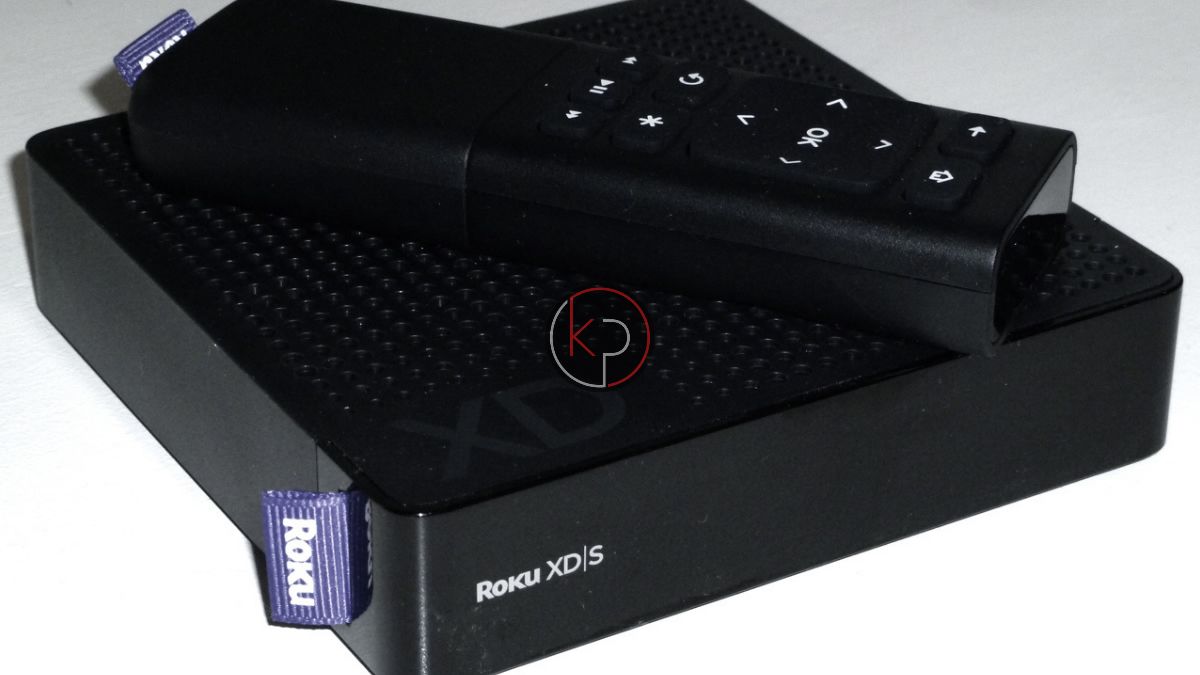
Roku is the box, stick and TV software that sits between a viewer and every streaming app. Fox's release says it reaches more than 100 million households. Roku controls the home screen and sells ads on it. Each Roku share was converted into $95.30 in cash plus 0.9799 shares of Fox Class A stock. Former Roku shareholders now own about 26% of Fox. Roku stock stopped trading on Nasdaq the day the deal closed.
Roku founder Anthony Wood joins the Fox board. He and Paul Cheesbrough will co-chair a new Fox Digital Platforms division, with Cheesbrough as CEO. That group also holds Tubi and Red Seat Ventures. Lachlan Murdoch, Fox's executive chair and CEO, said, "The closing of this acquisition advances the long-term strategy of FOX."
Fox Promised the Justice Department It Won't Tilt Roku Toward Fox
That is the catch. According to The Desk, Fox made commitments to the Justice Department before the DOJ closed its review. For at least three years after closing, Fox has to keep carrying non-Fox content on Roku and keep firewalls around rivals' data. It also agreed not to change Roku's search and discovery to substantially favor Fox One and Tubi.
Wood put it this way in the release: Fox "wholly shares our commitment to staying open to every content partner."
So Fox can't simply bury Netflix or ESPN on the home screen. It can still sell ads and promote its own events. Shortly after closing, Roku switched its default wallpaper on non-personalized devices to a Fox One promotion, based on screen captures the outlet reviewed.
The Bidding for the 2030 and 2034 World Cup Rights
FIFA opened the US and Puerto Rico rights for the 2030 tournament in October, with 2034 offered as an option. Inside World Football reported that bids were due at midday Eastern on Thursday, November 19, and that estimates put both tournaments together at up to about $4 billion.
According to Sports Media Watch, Netflix, Amazon and a joint Fox-Univision group were the only first-round bidders. Disney, YouTube and NBCUniversal stayed out. Matt Hughes of The Guardian reported Monday that Netflix's bid was the highest. FIFA is reportedly asking for a second round to push the price up. The bid amounts haven't been made public, and neither has the timing of the second round.
For context, Fox reportedly paid $485 million for the English-language rights to the 2026 tournament. Telemundo reportedly paid $600 million for Spanish. FIFA is reportedly looking for $1.5 billion to $2 billion for the combined 2030 rights.
Netflix isn't new to this. It already holds the 2030 World Cup rights in Spain, one of the host countries. It also has the US rights to the 2027 and 2031 Women's World Cups.
Lachlan Murdoch's Word for the World Cup Bid Was "Disciplined"
On Fox's earnings call on November 4, Murdoch said Fox was "obviously happy with the performance of the World Cup this past year." He added, "we'll be looking at the rights for 2030 and 2034 in a disciplined manner as we would with all sports rights."
Coverage of the call from the same outlet pointed out that "disciplined" is often the word a broadcaster uses when it expects to lose. I read it the same way. Fox is telling its shareholders it won't chase this at any price.
Does Owning Roku Make the World Cup Cheaper or More Expensive for Fox?
Here's how I see the math. Owning Roku gives Fox more ways to make money from one match. It can promote the game on the home screen. It can stream it on Tubi, which Fox said in May would carry the opening ceremonies and two matches live this past summer. And it can sell ads across all of it. In theory that lowers what Fox pays to reach each viewer.
But three things cut against it.
- The price is going up fast. FIFA's reported asking price for 2030 is well above what Fox and Telemundo paid together for 2026.
- The time zones are worse. The 2030 tournament is centered on Spain, Portugal and Morocco. The 2034 tournament is in Saudi Arabia. US audiences are expected to fall from 2026, when the games were played here.
- The DOJ commitments limit the home-screen edge. For the next three years Fox can't use Roku to push rivals aside, and that covers the period when these rights get decided.
Netflix owns its screen too. It buys content to fill it, and it doesn't have a cable channel to protect. Fox now owns a channel and a platform. Nothing Fox has said shows how Roku changed its number. My honest read is that Roku helps Fox squeeze more out of the rights it already has. I don't think it's enough to outbid a company that sees the World Cup as a reason to sign up.
What Happens Next With the World Cup Rights?
FIFA has said it wants to pick a winner by the end of the year, according to CNBC. The second round is the next step. Fox has carried the men's World Cup in English in the US since 2018. If Netflix wins, that run ends. If Fox-Univision wins, Roku becomes its biggest promotional tool for a tournament played at hard hours for American fans. I'll be watching which way FIFA goes. You can follow more sports media news on KP Sports.