Premier League club prices are likely to soften, at least for the clubs that need to sell. The Independent reports that the owners of at least eight of the league's 20 clubs are seeking investment or open to offers, but buyer interest is slowing. The record prices paid for Liverpool and Bayern Munich this year were for rare assets that almost never come up. Eight clubs at once is a different market.
What the Liverpool and Bayern Munich Deals Set as the Price Bar
Two deals this year made European football look like a seller's market. In August, Fenway Sports Group sold about 30% of Liverpool to 1892 Holdings, a group led by Amit Bhatia that includes Jeff Bezos's K5 fund and Eduardo Saverin's family office. ESPN reported a valuation of roughly £5.5 billion, or $7.45 billion. Other outlets put it lower, closer to $6 billion. Fenway bought the whole club for £300 million in 2010.
In October, Bayern Munich sold just under 6.7% of the club to the Viessmann Generations Group for €250 million, according to the German newspaper BILD. Bloomberg put the implied value at $4.5 billion. Allianz paid €110 million for 8.33% in 2014.
Both clubs had something in common. They rarely sell, and when they do, buyers compete. Liverpool is a global brand with a stable owner, and Bayern is majority owned by its members and only lets a few partners in. Those deals tell you what a scarce asset is worth. They don't tell you what an ordinary club is worth.
Which Premier League Clubs Are Open to Offers
The Independent says the eight clubs range from owners wanting minority investment to owners willing to sell outright. Some have prepared prospectuses, the documents a seller hands buyers to describe the business. The full list hasn't been made public, but two clubs are confirmed.
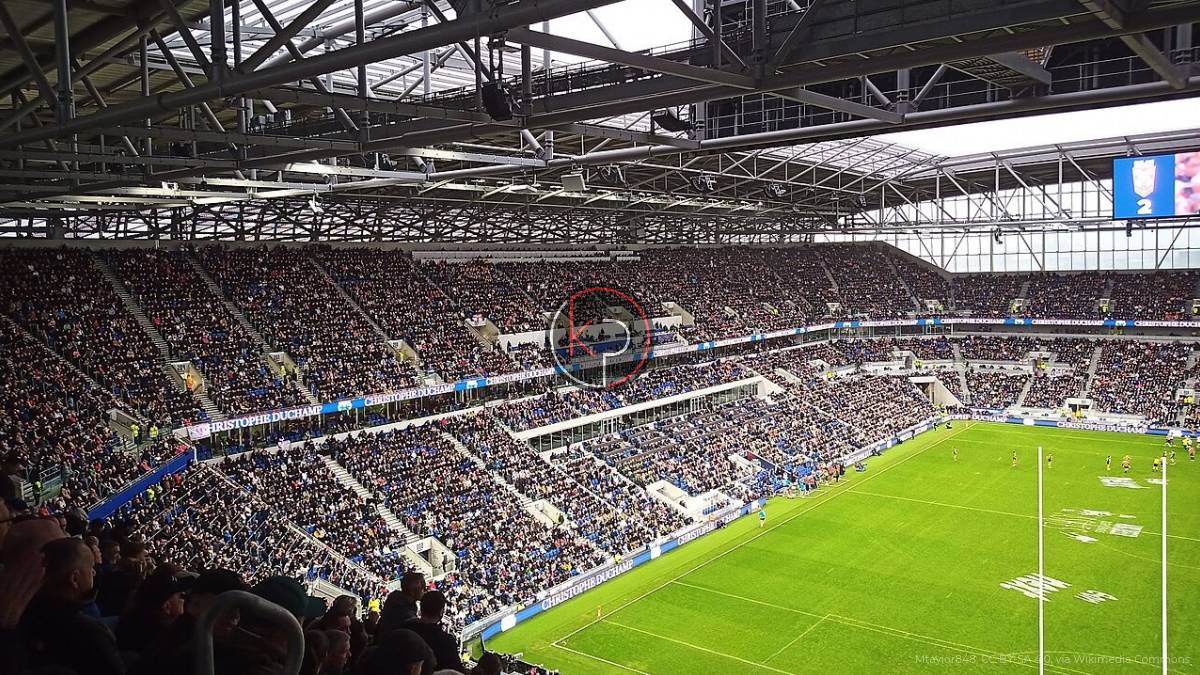
Everton: The Friedkin Group, which bought about 99% of the club in December 2024, hired the bank Moelis to explore a sale that could include a controlling stake, according to Front Office Sports. City AM reports the Friedkins bought at a £400 million valuation. Everton now has a new 52,888-seat stadium on the waterfront, which is the main reason the owners think it's worth more.
Crystal Palace: The owners have hired the Raine Group and are floating a valuation of about £900 million, according to City AM. Sources close to the club told City AM the priority is new investment, not a full sale.
It's also been reported that buyer interest has slowed, partly because of global uncertainty. That's the part sellers should worry about.
How Eight Clubs for Sale Shifts Power to Buyers
An asking price is just where a negotiation starts. When one club is for sale, a buyer has to meet the seller's number or lose the deal. When eight clubs are for sale, the buyer can compare them, wait and walk away. That pushes prices down, especially for owners who need cash rather than want it.
Not every club will feel it the same way. A club with a new stadium, a London address or a long history in the top flight can still draw a premium. A club that's fighting relegation, losing money and dependent on its owner's checks is in a much weaker spot. Buyers know which is which.
The Independent Football Regulator's 41% Equity Loss Figure
The economics underneath these deals aren't great. In October, England's new Independent Football Regulator published its first report on the state of the game. It estimated that investors in English clubs lost about 41% of their original investment between 2021-22 and 2025-26, counting both changes in club value and yearly losses. Over the same period, the FTSE 100 returned more than 36%.
The regulator also found that 94% of clubs in the top five divisions lost money in 2025-26. Two-thirds of clubs told the regulator they couldn't survive more than 90 days without fresh money from their owners.
That's the problem for sellers. A buyer looking at the regulator's numbers sees an industry where most owners lose money and the exits are crowded. The Premier League still has huge TV revenue and global reach, but those strengths are already in the price. What's not in the price is how many owners now want out at the same time.
Will Premier League Club Values Fall in 2027?
My take is that the market is about to split. The true global brands, like Liverpool, will keep fetching premium prices on the rare occasions they sell, because there aren't many of them and wealthy buyers want trophy assets. Everyone else will have to accept lower numbers to get deals done.
The first few deals from this group of eight will set the tone. If Everton or Palace sell near their asking prices, the record valuations will look justified. If they sell at a discount or don't sell at all, that's the first real sign the Premier League price boom is cooling. I'd bet on the discount. Buyers have time, choices and the regulator's numbers on their side.