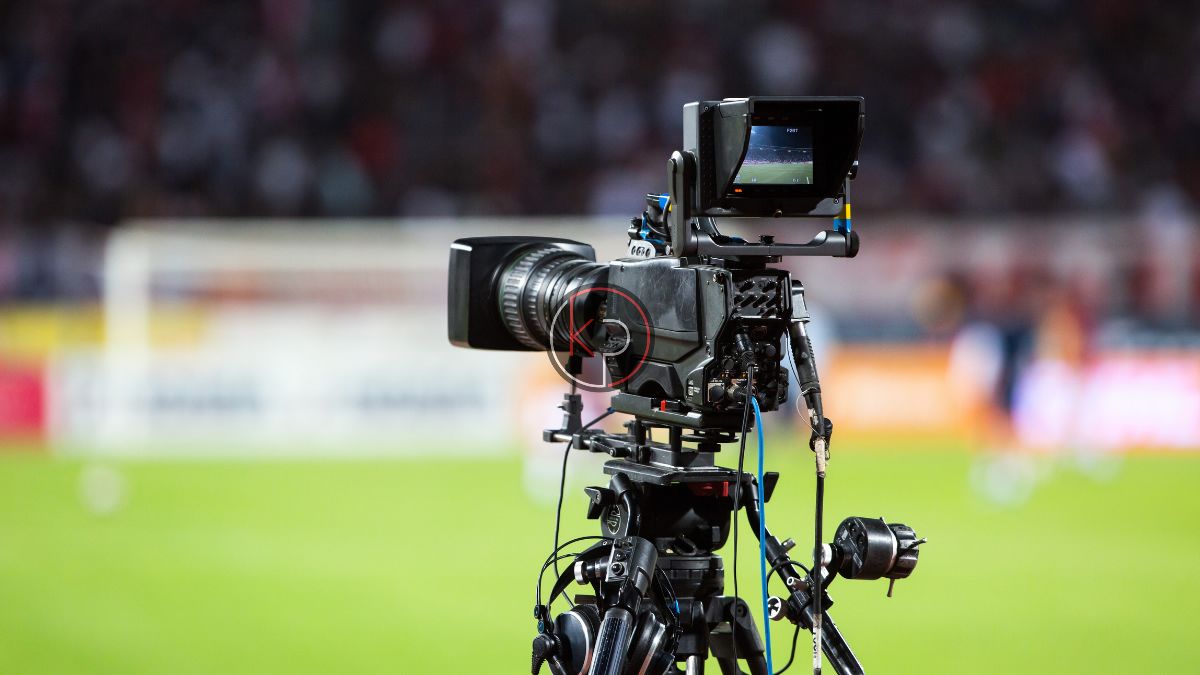

NBA teams made $12.25 billion in revenue in the 2024-25 season, about $408 million per team, according to Sportico. This season the league's own forecast is $14.3 billion, a 12% jump, mostly because the new $76 billion national TV deal with ESPN, NBC and Amazon has started paying out. Media money is the engine, but tickets, sponsors and soaring team values are making the NBA's business bigger than its games.
How the $76 Billion ESPN, NBC and Amazon Deal Pays NBA Teams
The 11-year media deal that began in 2025-26 is the biggest change to NBA finances in a generation. Disney's ESPN and ABC, NBC and Amazon Prime Video split the national games, and TNT is out after nearly four decades.
Per team, the numbers are simple. National TV revenue for each team rose from $103 million to $143 million this season. It grows about 7% a year and reaches roughly $281 million per team by 2034-35. Forty years ago, each team got about $1.5 million from national TV.
Those per-team numbers matter more than the headline. The $76 billion is spread over 11 years and 30 teams. What it really buys is certainty. Every owner knows a growing check is coming no matter how their team plays.
Why Local TV Money Is Collapsing for Half the NBA
National TV is booming, but local TV is falling apart. After the collapse of Main Street Sports Group, the regional sports network company that carried many teams, Forbes reports that the 16 affected teams averaged about $13 million in local media revenue in 2025-26. That's down from $40 million two seasons earlier.
That gap separates big-market teams with their own TV deals from everyone else. The league reportedly plans a streaming hub for 2027-28 that would bundle local rights for at least 20 teams. I think that's the right fix, because the old cable model isn't coming back.
Golden State Warriors and the Value of Arena Revenue
Tickets and premium seats are where the gap between teams gets widest. Forbes puts the Golden State Warriors' revenue at $942 million, at least $300 million more than any other team, with $364 million in operating income. Chase Center sits in a wealthy tech market, and the team owns the building and books the events.
Compare that with the bottom of the league. In 2024-25, Sportico had Golden State at $833 million and the Memphis Grizzlies at $301 million. Same league, same TV check, almost three times the revenue.
That's why the NBA shares money. That 2024-25 figure is already net of roughly $400 million in revenue sharing from rich teams to poorer ones. Regular-season attendance topped 22 million this past season, so fans keep paying even as prices climb.
NBA Sponsorship, Jersey Patches and the Nike Deal
Sponsorship is the fastest-growing stream teams can control. According to Sponsor United, NBA team sponsorship revenue hit a record $1.8 billion in 2025-26, up 11% from $1.62 billion. Financial brands spent the most at $318 million, and they hold 10 of the league's 29 jersey patches.
At the league level, Nike is the anchor. Its original uniform deal, reported at about $1 billion over eight years, ended after 2024-25. In October 2024, Nike signed a 12-year extension through 2037 covering the NBA, WNBA and G League. Neither side disclosed the value. Merchandise and licensing revenue from that deal and others is shared across all 30 teams.
What the Betting Scandals Cost the NBA's Sportsbook Business
Sports betting is a big part of the NBA's growth story, and it's also its biggest reputational risk. Jontay Porter was banned for life in 2024 and pleaded guilty to federal conspiracy. In October 2025, federal prosecutors charged Terry Rozier and Portland coach Chauncey Billups in separate gambling cases. Rozier has pleaded not guilty.
The league's response cost it betting inventory. Before this season, according to ESPN and AP reports, the NBA told DraftKings, FanDuel and other authorized sportsbooks to stop offering several markets. Those include parlays stacking a player's under bets, "first basket" style props, and unders on players expected to play fewer than 12 minutes.
That's the right call. Single-player micro bets are the easiest kind to rig and the least important to fans. The NBA earns from data and sportsbook partnerships, so giving up some of those markets has a cost. It's still cheaper than another scandal.
NBA Team Values Have Doubled Since 2021
All of this shows up in what teams sell for. Forbes put the average NBA team at $6.1 billion in October 2026, up 14% in a year and 147% since 2021. The Warriors lead at $13.5 billion, with the Knicks at $12.6 billion and the Lakers at $12.5 billion.
The private market agrees. Forbes reports that Mark Walter agreed to sell the Lakers to Josh Kushner and Bob Iger at a $12.5 billion valuation, pending league approval. Tom Dundon's purchase of the Portland Trail Blazers was approved in April at a reported valuation of about $4.25 billion.
Players share in the growth too. Under the collective bargaining agreement, players and owners split basketball-related income about 51-49. Basketball-related income was $10.25 billion last season. As the TV money rises, the salary cap rises with it.
My view is that the NBA has never been in a stronger financial position. The national TV deal locks in growth through 2036, and team values keep setting records. The risks are local TV, which hurts small markets most, and betting integrity, which could damage the trust behind every other revenue stream. The league is spending to fix both.